Great Ideas
Philosophy, religion and politics, one chapter-sized reading every morning by 6am ET. Start at day one, free.
The shelf: 20 books, read in order
Everyone starts on day one of book 1. When one book ends, the next begins.
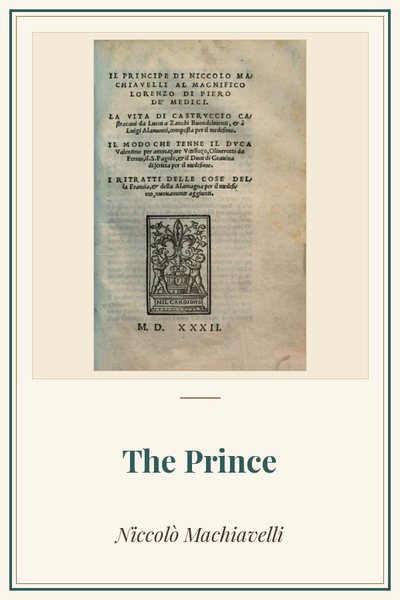
1. The Prince
Niccolò Machiavelli (tr. W. K. Marriott)
20 days
A Florentine diplomat, out of office and under suspicion, writes a blunt handbook on how rulers win power and keep it.
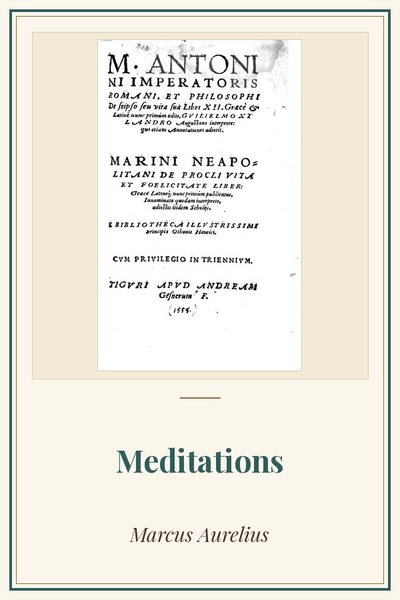
2. Meditations
Marcus Aurelius (tr. George Long)
22 days
A Roman emperor's private notebook, kept on campaign, coaching himself in patience, duty and calm in the face of death.

3. Walden
Henry David Thoreau
52 days
Thoreau spends two years in a cabin he built by Walden Pond and asks what a person really needs to live well.
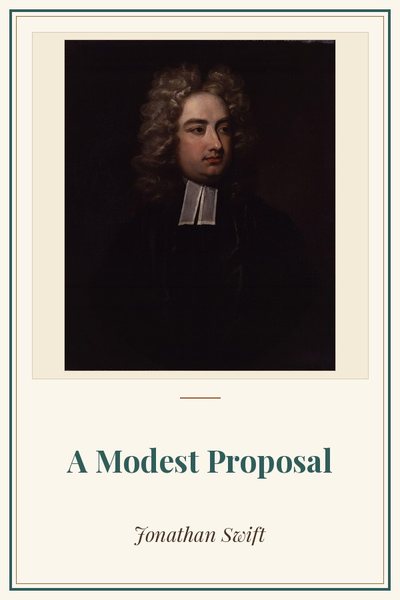
4. A Modest Proposal
Jonathan Swift
2 days
Swift's savage satire on Irish poverty offers, with a perfectly straight face, a monstrous answer to the problem of hungry children.
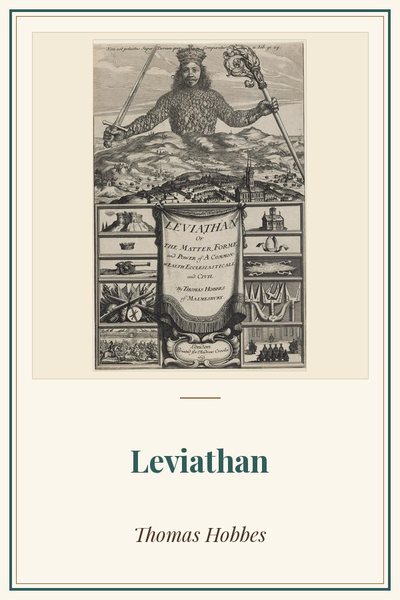
5. Leviathan
Thomas Hobbes
101 days
Writing in an age of civil war, Hobbes argues that without a strong sovereign, life is a war of all against all.
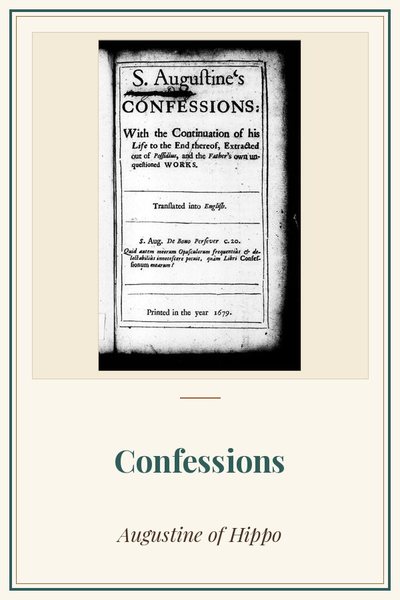
6. Confessions
Augustine of Hippo (tr. E. B. Pusey)
50 days
A restless young teacher in Roman Africa looks back on his loves, ambitions and doubts, and on the slow road to faith.
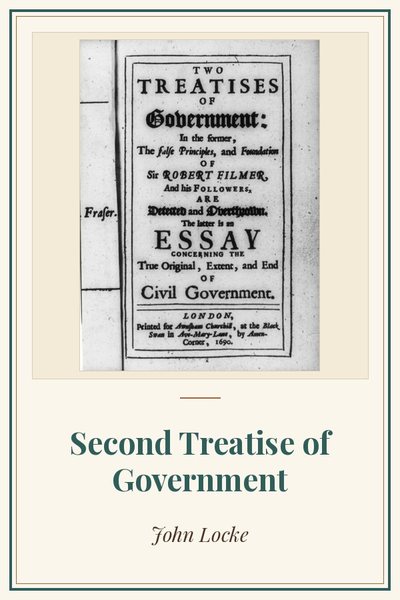
7. Second Treatise of Government
John Locke
26 days
Locke argues that governments exist to protect life, liberty and property, and that people may replace rulers who betray that trust.
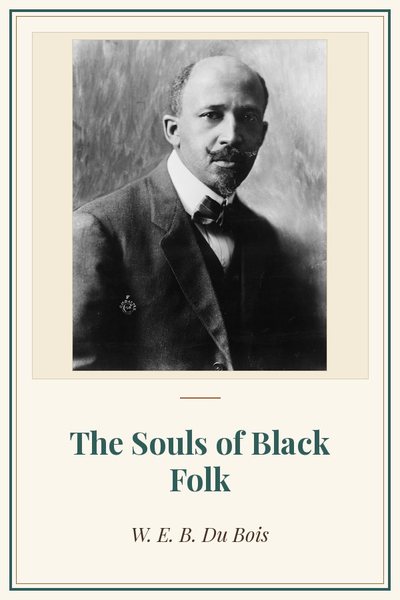
8. The Souls of Black Folk
W. E. B. Du Bois
33 days
Essays on Black life in America after emancipation, introducing 'double consciousness' and the problem of the colour line.
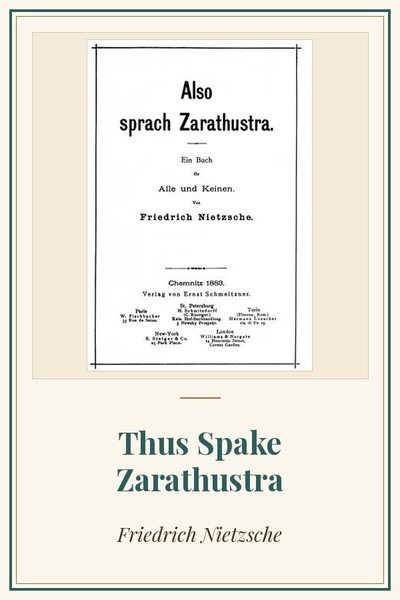
9. Thus Spake Zarathustra
Friedrich Nietzsche (tr. Thomas Common)
44 days
A prophet comes down from the mountains to announce the death of God and the coming of the Übermensch, in poetry and parable.
10. The Republic
Plato (tr. Benjamin Jowett)
51 days
Socrates and his friends ask what justice is, and build an imaginary city ruled by philosophers to find out.
11. Beyond Good and Evil
Friedrich Nietzsche (tr. Helen Zimmern)
30 days
Nietzsche takes aim at the hidden prejudices of philosophers, and at morality itself, in short, sharp sections meant to provoke.
12. On Liberty
John Stuart Mill
21 days
Mill makes the case for freedom of thought, speech and ways of living, limited by one principle: harm to others.
13. The Art of War
Sun Tzu (tr. Lionel Giles)
6 days
Thirteen short chapters from ancient China on strategy, deception and knowing your enemy, still quoted in boardrooms and barracks.
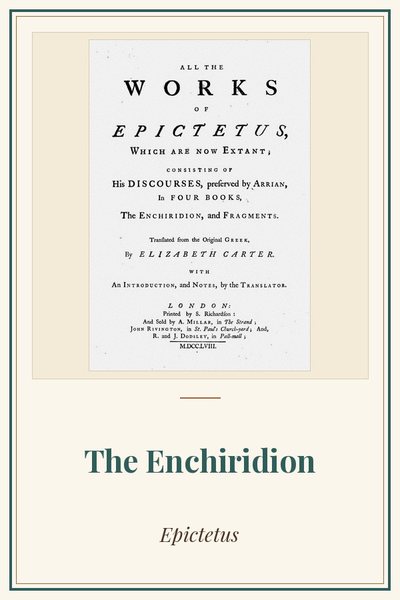
14. The Enchiridion
Epictetus (tr. T. W. Higginson)
4 days
A former slave's pocket handbook of Stoic practice: separate what is in your power from what is not, and act accordingly.
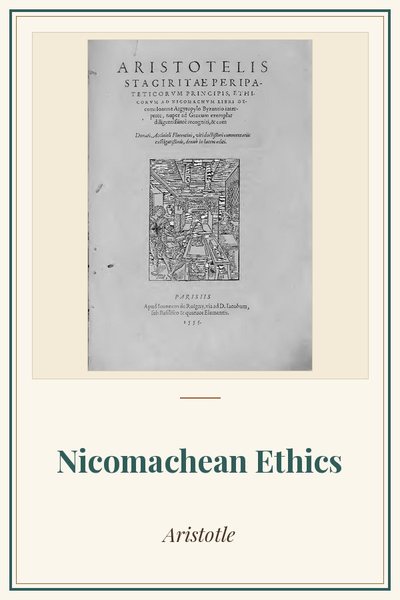
15. Nicomachean Ethics
Aristotle (tr. D. P. Chase)
45 days
Aristotle asks what makes a human life go well, and answers with virtue, habit, friendship and practised good judgement.
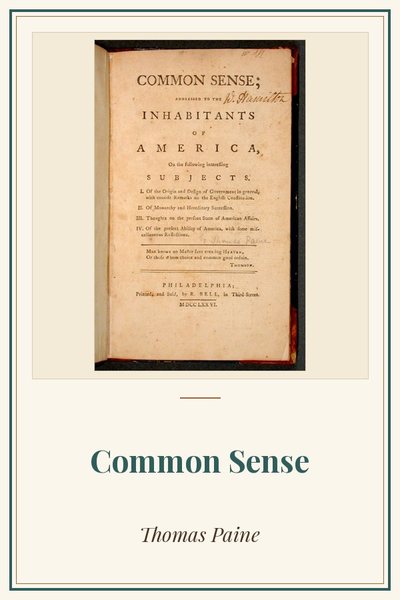
16. Common Sense
Thomas Paine
10 days
The 1776 pamphlet that argued, in plain words for ordinary readers, that the American colonies should break with Britain now.
17. The Problems of Philosophy
Bertrand Russell
20 days
Russell's short, clear tour of the big questions: what we can know, what is real, and why philosophy is worth doing.
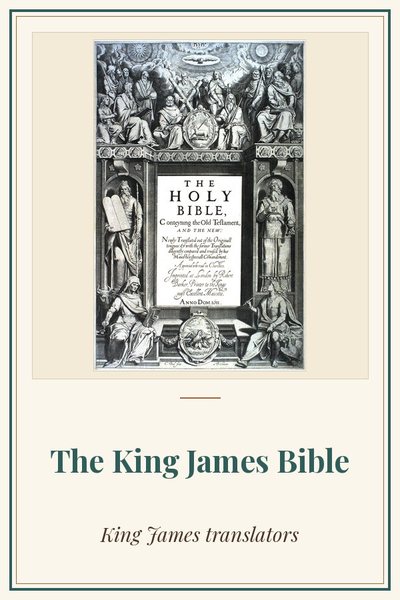
18. The King James Bible
King James translators (1611)
405 days
The 1611 English Bible, read straight through from Genesis to Revelation, one chapter-sized portion a day.
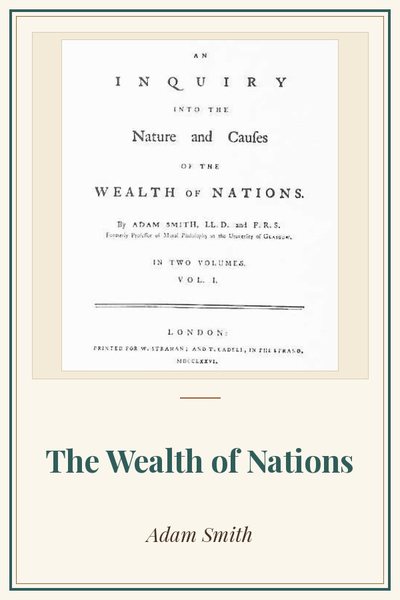
19. The Wealth of Nations
Adam Smith
169 days
Smith explains how the division of labour, free trade and self-interest make nations rich, and lays the foundations of economics.
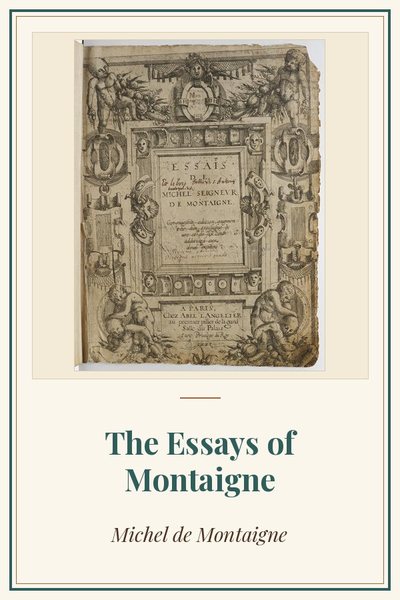
20. The Essays of Montaigne
Michel de Montaigne (tr. Charles Cotton)
219 days
A French nobleman retires to his tower library and invents the essay, writing frankly on friendship, fear, death and himself.
Become a member
Members can get all three newsletters, plus companion notes with every reading.
Become a member